How Ecommerce Chatbots Increase Sales, Reduce Cart Abandonment, and Improve Customer Support

A customer visits your online store, finds a product they like, and adds it to their cart. Then, they have a question.
Is the product the right fit? When will it be delivered? What is the return policy? Is there a better option available?
These questions can have a big impact on whether a customer completes a purchase.
This is where an ecommerce chatbot can help.
An AI ecommerce chatbot can answer customer questions instantly and guide shoppers through their buying journey. Instead of searching through product pages or FAQs, they can simply ask a question and get an immediate response.
Modern ecommerce chatbots can help customers find products, provide order information, capture leads, and connect customers with a human agent.
Creating a Smoother Ecommerce Buying Experience
Online shopping is convenient, but customers can still have questions before making a purchase.
A customer might be interested in a product but isn’t sure which option is right for them. Another customer may want to know whether a product is compatible with something they already own. Someone else may simply want to know how quickly their order will arrive.
If customers cannot find the answers quickly, they may leave the website.
An AI ecommerce chatbot can bring those answers directly into the shopping experience.
For example, a customer visiting an electronics store might ask, “I need a laptop for video editing under $1,000. Which one would you recommend?”
Instead of making the customer browse through dozens of products, the chatbot can help them identify relevant options.
How Ecommerce Chatbots Can Increase Sales
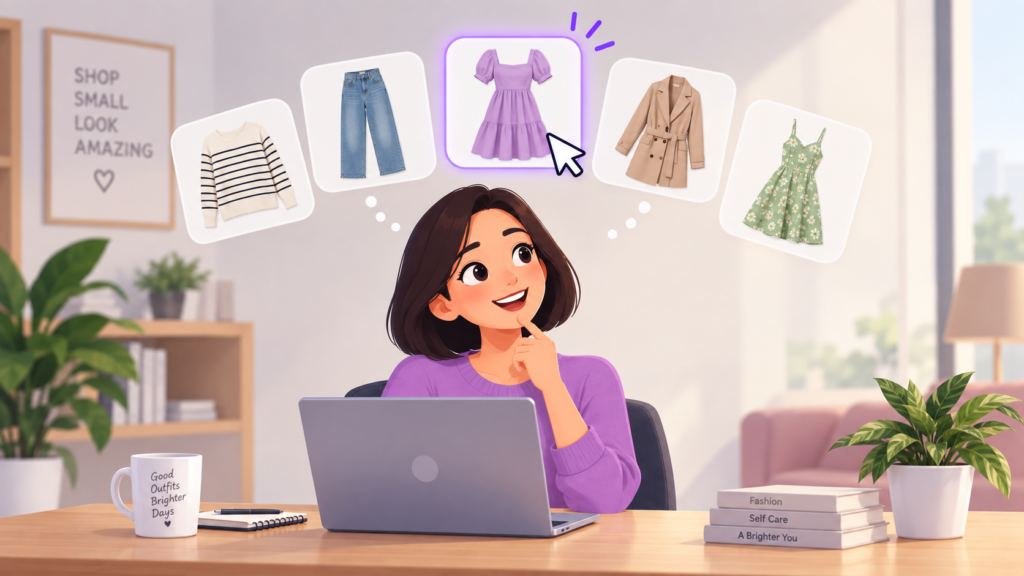
One of the biggest opportunities with an ecommerce chatbot is helping customers make purchase decisions.
Customers don’t always need a sales pitch. Sometimes, they just need the right information at the right time.
They may want to compare two products, understand a feature, check availability, or find out whether a product is suitable for their needs.
An AI ecommerce chatbot can answer these questions instantly and guide the customer toward the next step.
This is where an AI sales assistant can be particularly useful. It can help customers discover products based on what they are looking for.
For example, a customer could ask, “I need running shoes for long-distance running. Which ones do you recommend?”
The AI can use product information to help the customer find relevant options.
Reducing Cart Abandonment by Removing Friction
Cart abandonment is a common challenge for ecommerce businesses.
A customer can add a product to their cart and still leave without completing the purchase. Sometimes, all they need is an answer to one question.
For example, a customer may ask:
“Can I return this if it doesn’t fit?”
If they have to search through the website to find the return policy, they may decide to leave.
An AI ecommerce chatbot can answer the question immediately using the business’s return and refund information.
The same applies to questions about shipping, delivery times, payment options, product availability, and warranties.
By answering these questions at the right moment, businesses can remove friction that can prevent customers from completing a purchase.
Better Customer Support Without More Repetitive Work
Ecommerce businesses receive a large number of repetitive customer questions every day.
“Where is my order?”
“When will my order arrive?”
“Can I return this product?”
Many of these questions don’t require a human agent.
This is where AI customer service can make a difference.
An AI ecommerce chatbot can handle common questions and provide immediate answers, allowing support teams to spend more time on complex issues that require human attention.
The chatbot doesn’t have to replace human support. It can work alongside the support team and hand conversations over to an agent when needed.

Support Customers 24/7
Customers don’t shop only during business hours. An ecommerce chatbot can provide assistance around the clock, allowing businesses to continue engaging with visitors when their support team isn’t available.
It can also help customers with common post-purchase questions such as order status, delivery times, and shipping information. This can reduce the number of routine support requests.
The Quality of Information Matters
Adding an AI chatbot to an ecommerce website is only part of the solution. The chatbot also needs access to the right information.
Customers expect accurate answers about products, shipping, returns, and other business policies. Businesses should train their AI ecommerce chatbot using reliable information such as product details, FAQs, shipping policies, return policies, and website content.
The goal isn’t for the chatbot to answer every possible question. It should provide useful information and know when to hand a conversation over to a human.
Turning Conversations Into Conversions
A single conversation can cover multiple stages of the customer journey.
A customer might start by asking about a product. The chatbot can then recommend an option, answer a question about shipping, explain the return policy, and help the customer move toward a purchase.
For customers who aren’t ready to buy, the conversation can also be used to capture relevant information and create a lead for the business.
This means the chatbot can support both sales and customer service instead of treating them as completely separate experiences.
How HighEngage Helps Ecommerce Businesses
HighEngage helps ecommerce businesses use AI-powered conversations to engage website visitors, support customers, and capture opportunities.
Businesses can train AI agents using their own business information to answer customer questions, help shoppers discover products, provide support, and connect customers with human agents when needed.
The idea is simple: bring the answers directly into the conversation.
The Future of Ecommerce Is More Helpful, Not Just More Automated
Customers want quick answers. They want help finding the right products. They want to know when their order will arrive. And when they have a problem, they want support without having to wait.
An AI ecommerce chatbot can help businesses meet these expectations while reducing repetitive work for their teams.
The best ecommerce experiences aren’t necessarily the ones with the most automation.
They are the ones that make it easier for customers to get the information they need, make a decision, and complete their purchase.
Customers already have questions. The opportunity for ecommerce businesses is to make sure they can get the answers.